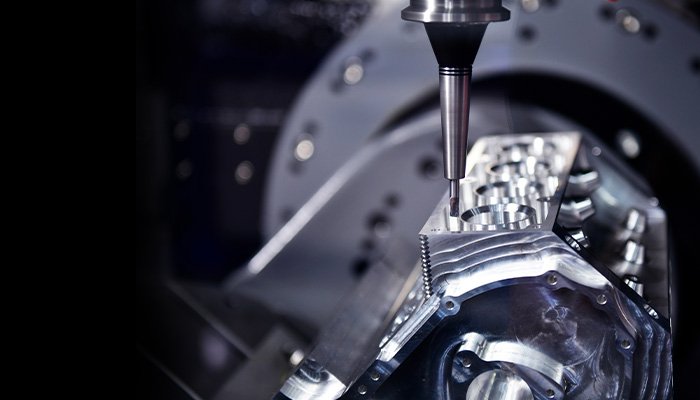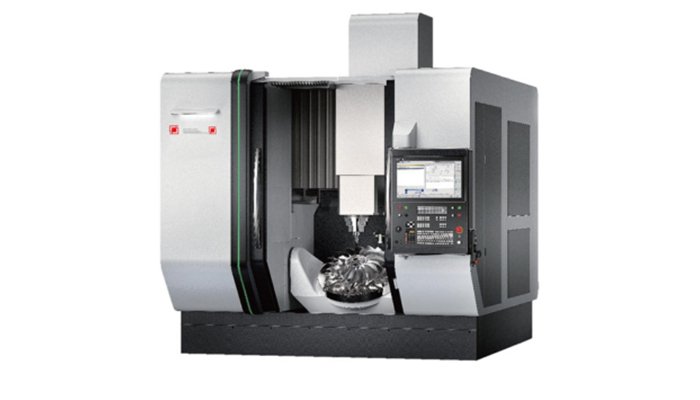
Whether you are using CNC machining center, or any other lathe machine, you must choose a threading technique that is efficient, accurate and reliable.
Among the most popular techniques are thread milling and tapping. Although the two processes are efficient and reliable, there are certain differences you must understand to choose the best technique.
What is Thread Milling?

Thread milling is a machining procedure in which a turning tool is used to produce a thread within a drilled hole. The fundamental difference between tapping and thread milling is that the latter performs a strict helical motion, gradually cutting the thread profile. It operates on external and internal threads and allows different diameters to be accommodated by the same tool, as long as they are of the same pitch.
Thread milling is both high accuracy and reliable in terms of surface finish and can accommodate fit adjustments. It is also common during CNC machining of harder materials, larger diameters or where finer precision and chip control is desirable.
What is Tapping?

Tapping is a method of turning threads in a pre-drilled hole with a specially designed tool known as a tap. You commit the tap into the hole, and the fluted edges of the tool remove some material and shape the thread profile in one action. Tapping may be done manually with a hand tool or automatically on a CNC machine.
The technique is quick and effective when threading into more pliable materials and smaller hole sizes. And yet you have to get the tap size to match the hole and thread specification, and once you select a size, you cannot just as easily alter the thread fit later.
Difference between Thread Milling and Tapping
· Tooling Setup
In thread milling, you have a rotating cutter mounted in the spindle of your machine and program the path of each thread. You frequently require one tool to make various thread sizes. In tapping, the thread size determines the size of the fixed tap installed, and thus you have to change taps for every size of the thread you are tapping. Thread milling is a process that involves such precise control that it is best handled by CNC program, whereas Tapping can be easier to configure but less flexible.
· Thread Quality
With thread milling you are able to control the cutter path and refine pitch diameter and fit, resulting in higher-quality threads. Thread milling also eliminates the threat of deformation of the material particularly harder metals. Tapping cuts multiple threads simultaneously and is quicker at low cost, but tends to give rougher finishes on hard materials.
· Turning Process – Internal Threads and External Threads
Thread milling allows machining both internal and external threads with the same kind of tool, so you have more flexibility. You set up the cutter to either twist into the workpiece in an internal thread or outside the diameter in an external thread. Tapping is strictly limited to internal threads, since the tap cuts out material in the pre-drilled hole.
· Thread Size
A single thread mill will cut a very broad range of thread sizes, and so it is suitable for a job where the requirements are mixed. This versatility spares tool swaps and receives. With tapping, every thread size requires its own tap, and thus you require more tools and setup time when many thread sizes are involved. Thread milling can also be used with very large threads, whereas tapping is difficult or uneconomic beyond larger diameters.
· Precision and Accuracy
Thread milling gives you greater accuracy and precision since the CNC path gives you control of the pitch diameter, depth, and finish. The multi-pass thread milling technique reduces the deflection of tools and material fatigue. Tapping makes good threads in soft materials and is difficult to get precision in hard alloys or deep tapping.
· Thread Machining Speed
Tapping is quicker to make a single internal thread size since the process requires only a single cycle. This is advantageous where there is high volume production of regular parts. Thread milling is time-consuming because it cuts threads using more passes, yet it is more flexible and, in most cases, more accurate and safe in terms of tool breakages.
· Efficiency
When creating large amounts of the same length of threads, you will find that tapping is a more efficient method since it can be quickly done in a few passes. But you may easily damage the tools that can stop the production. Thread milling can be slower on a single thread, but on multiple thread-sized setups, it offers the advantage of economy setups, a limited tool set up and low scrap rates.
Once you get cycle time to setup time in balance, you will frequently find thread milling more economical in mixed runs and tapping more economical when work is repetitive and high volume.
· Tool Life
With thread milling, you overcut tool life more efficiently due to the lighter and controlled turning, so the tool is not subject to much stress. Thread mills, too, can be regrinded and reused thus extending life even further. The tool encounters greater force in tapping and possible chip clogging in hard materials and is limited by shorter life.
Several replacements of the taps raise the cost and reduce the availability. Using the thread milling techniques, the tools stay in service substantially longer than tapping when there is proper control of the coolant on the feed.
· Flexibility
With thread milling, you have more flexibility since one cutter can cut various thread sizes, pitches and diameters (both internal and external). This flexibility gives you the flexibility to go between different parts designs without swapping tools. Tapping only allows you to get the size and pitch of the tap, therefore requires you to maintain a large stock to accommodate various needs.
· Machining Cost
In large-scale production, you save on machining overheads when using tapping since each thread is formed super fast using a special tool. The individual taps required per size and increased chances of breakage and minimal reuse may however increase the overall cost. The initial cost of tools is greater in thread milling, but cheaper on tool inventory, regrinding, and scrap due to damaged threads.
Compare Thread Milling vs Tapping Advantages
| Advantages of Thread Milling | Advantages of Tapping |
| Works for both internal and external threads | Faster cycle times for high-volume runs |
| Produces higher-quality threads with better surface finish | Lower initial tooling cost |
| One tool can cut multiple thread sizes and pitches | Simple tooling setup and operation |
| Allows threading in hard materials with less tool breakage | Effective for small holes and fine threads |
| Adjustable thread depth and fit mid-process | Well-suited for repetitive production of identical threads |
| Can machine threads close to the bottom of a blind hole | Smaller machine footprint and lower power requirements |
When to Choose Thread Milling over Tapping
Thread milling is to be preferred over tapping when high precision, versatility, and preferred control over the thread profile are required. It works best where internal and external threads are required with the same tooling, or where the size of the thread is large and the tap has difficulty turning it. Thread milling is also more suitable for hard or brittle substances since less turning forces are engaged, decreasing the chance of tool breakage.
Use it when you have customization requirements regarding the depth of threads, when threading halfway down blind holes, or when your design requires multiple thread sizes with little tooling changes.
FAQs
1. Is thread milling better than tapping?
Thread milling is more precise, flexible, and has more control capability, particularly in large sizes and hard materials. Small, high-volume production runs are quicker to tap.
2. What are the disadvantages of thread milling?
It involves more sophisticated programming, increased machine requirements, and a number of holes in small forms have a slower cycle time compared to tapping.
3. What is the difference between tap drill and thread mill?
A tap drill removes threads with a fixed size in one stroke. A thread mill cuts threads in helical form, which gives greater flexibility in size.
4. What are the benefits of a thread milling machine?
It can create exact and adjustable steerings, operate with many types of materials, and can make both internal and external steerings with the same machine.
5. Is thread milling the same as tapping?
No. Thread milling involves a rotating turning tool with a helical path, whereas tapping has a fixed-sized tool forced against the material to generate threads.
6. How can you optimize the thread milling process?
Ensure proper turning parameters, proper tool coatings, reduce tool deflection, and program climb milling to obtain improved finish and tool life.
7. How do you increase productivity in tapping operations?
High-speed tapping heads, correct lubricating, snug setups and good quality taps correctly matched to the material being machined.
More resources:
G-code for CNC – Source: IQS Directory
Horizontal vs Vertical Milling – Source: Shawahed