As a machinist, you are probably wondering whether to choose horizontal CNC milling or the vertical milling process.
Well, the two CNC lathe machines offer an effective milling solution. However, to know which equipment perfectly matches your operations, it is critical to understand the difference between these two milling machines.
What is Milling?
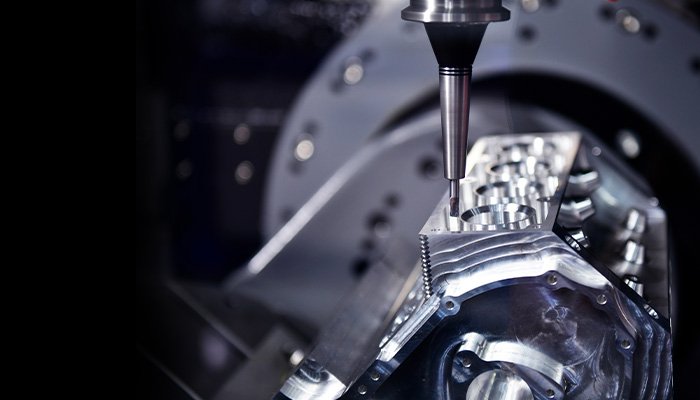
Milling involves precision in shaping, turning, and finishing materials. Using this turning process, a rotary milling tool cuts away material on a fixed workpiece, which lets you make flat workpieces as well as complex 3D shapes. Milling operates in all metals and plastics, as well as composites, and constitutes the basis of CNC machining.
What does Vertical Milling mean?
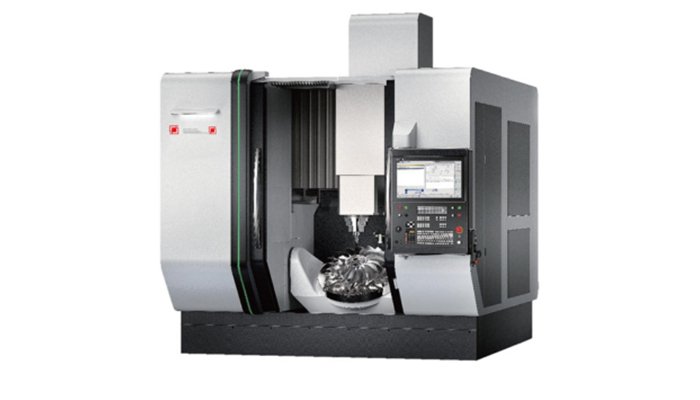
Vertical milling is when the milling machine spindle is arranged vertically, and the spindle axis is perpendicular to the work table. The cutting tool rotates around the vertical axis. This arrangement allows one to work comfortably on flat surfaces, slots and pockets. The workpiece is normally clamped on a stationary table as various precision cuts are made using a vertical spindle.
What is Horizontal Milling?
Horizontal milling is an operation in which you apply it when the spindle is turned horizontally on top of the worktable, and the turning tool moves laterally across the material. It is more effective in turning deeper cuts and heavier loads than in vertical milling. The workpiece is frequently mounted on a universal table, and the horizontal position employs a variety of turning tools, such as slab or side cutters.
Differences Between Vertical and Horizontal Milling
· Spindle Orientation
Horizontal and vertical milling are primarily differentiated based on the orientation of the spindle. With vertical milling, the spindle is aligned vertically to the worktable, and the tools can go up and down. This arrangement is suitable for close work and fine cuts.
During horizontal milling, the spindle is mounted parallel to the table so that the tool can move in the direction orthogonal to the material. This setup can easily deal with bulkier loads and more profound cuts. Vertical milling is preferable when you require close-tolerance, complex components. But in situations where you need to clear lots of material and fast, trade-offs to horizontal milling give a boost in power and support in challenging tasks.
· Turning Tool and Workpiece Interaction
When comparing the two setups, you see a drastic difference in the way in which the turning tool interacts with the workpiece. With vertical milling, the tool is sunk directly into the material, resulting in smoother finishes but a decreased rate of material removal. Horizontal milling, however, does involve arbors and other turning tools that cut on the side.
This enables you to use more of the turning surface at any one time, which is ideal on wide or heavy stock. Milling is more versatile in terms of shaping and drilling with vertical machines, whereas horizontal machines perform better in slotting, grooving, and working on heavier parts.
· Material Removal Rates
Depending on the milling orientation, you get various material removal rates. Vertical milling machines cut more slowly since the turning edges of the tool contact less area simultaneously. This enables them to be more accurate and more detailed.
The horizontal milling machines cut much more quickly with their vigorous side-turning force and with multiple cutters engaging in the work process at the same time. Horizontal milling is much more efficient on large workpieces or when there is a heavy material removal requirement on your project. Vertical milling is a superior option where other factors, such as accuracy, surface finish, and working with smaller, complex parts are a concern, but not speed.
· Machine Size and Cost
Size and cost are key factors when comparing horizontal and vertical milling machines. Vertical machines are typically smaller and allow fitting them in a small workshop. They are cheaper to acquire as well, which makes them affordable when using them to start or run low-volume production.
Horizontal milling machines on the other hand are bigger, occupy a larger space but have increased production capacity. Their complicated structure and many tooling possibilities have aggravated the cost of investment. When budget and floor space are limited, choose vertical milling. However, when throughput and long-term value are important, the increased initial cost of horizontal machines makes sense.
· Ease of Use
Vertical milling machines would be more comfortable to work with, particularly when one is new to the field of machining. Their design provides you with a more convenient view of the tool and workpiece, facilitating setups, adjustments, and monitoring. When prototyping or executing small-scale batch jobs, most machinists select to utilize vertical mills due to their intuitive design.
Horizontal milling, however, takes longer training and skills. They have complicated fixtures and dedicated tooling, but they are worth it when handled by a skilled operator. Vertical milling may be an option when you prefer a shorter learning curve.
· Applications
The milling process you choose to perform should depend on the job requirements. Vertical milling is best suited to precision applications such as die sinking, engraving or toolmaking. It will also be great for small pieces and small details.
When high volume makes a difference, when you need to cut hard materials, or when you need to process long, heavy pieces, you rely on the versatility of horizontal milling. It takes grooving, facing and slotting. Vertical mills are used when you require flexibility and surface finish. Use horizontal mills when speed, efficiency, and material removal are most critical.
Comparison Table: Horizontal Milling and Vertical Milling Process
| Milling Variable | Horizontal Milling | Vertical Milling |
| Spindle Orientation | Horizontally aligned spindle | Vertically aligned spindle |
| turning Tool Direction | Tool approaches workpiece from the side | Tool approaches workpiece from above |
| Material Removal Rate | Higher material removal rate | Slower removal, more precise |
| Machine Size | Larger footprint, requires more floor space | Fits smaller workshops |
| Cost | Higher initial investment | Lower purchase and maintenance costs |
| Ease of Operation | Requires skilled operator, more complex setup | Easier to operate, suitable for beginners |
| Ideal Applications | High-volume production, heavy-duty turning | Prototyping, precision work, intricate detailing |
| Tool Visibility | Limited tool visibility during operation | Better visibility for monitoring and adjustments |
| Tooling Flexibility | Supports multiple cutters simultaneously | Typically supports single tool operations |
| Setup Time | Longer due to fixture and tool arrangements | Shorter setup time |
Conclusion
Choose between horizontal and vertical milling based on project size, complexity, and production needs. Understanding their differences helps ensure precision, efficiency, and optimal results in every machining task.
FAQs
What are the advantages of horizontal milling machines?
When dealing with large or heavy materials use a horizontal milling machine. You boost productivity since the removal of material is faster and several cutters are used at the same time. You also get smoother surface finishes on large flat areas. Horizontal mills are appropriate where high-volume production with milling precision is required, and they also enable you to work with hard metals.
Is the vertical milling machine or the horizontal milling machine preferable?
Whenever you are working on small, delicate, or prototype components, be sure to use vertical milling machines. You get a simpler installation, improved tool visibility, and reduced upfront price. Vertical mills allow you to perform highly detailed tasks, such as die sinking, slotting, and drilling with extreme accuracy.
Related resources:
Types of CNC Milling Machines – Source: Shawahed
CNC Milling and Turning Center – Source: Shawahed