When it comes to choosing lathe machines, you have the option of going for fully automatic or manual equipment.
However, you can only choose a suitable lathe machine once you understand the difference between CNC lathe and manual lathe. With this information, you can evaluate accuracy, production volume, complexity of the part and cost, among other machining parameters.
Let’s start with the basics:
What is CNC Lathe?
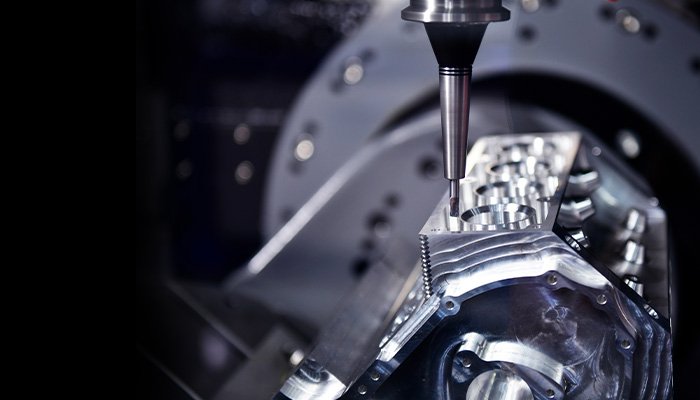
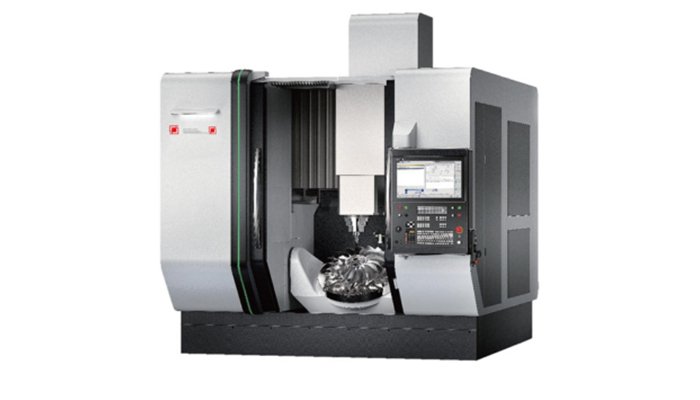
A CNC lathe is a computer-controlled lathe. The lathe is programmed and controlled by software allowing it to execute complex, high-precision tasks with very little human interaction. These machines are used when there is high production or complex production, and both qualities are maintained throughout batch production.
CNC lathes minimize manual error and enable complicated shapes that are not easily attainable manually. They are particularly applicable in aerospace, automotive and medical devices manufacturing where precision matters and repeatability is a mainstay. Advanced control, such as live tooling and multi-axis increases versatility.
What is Manual Lathe?
A manual lathe is a machine that is controlled directly by a machinist operating a series of handwheels and levers which can be used to cut, shape and drill the material. This is a more classic lathe that is great for custom, low-volume or prototype machining when real-time adjustments are required. You will be able to easily adjust settings, receive the impression of the turning process, and react to the behavior of materials.
Manual lathes are relatively cheap, simple to repair, and perfect in training or work requiring harnessing. They are less precise than CNC models, but allow tactile control, and can be particularly effective when automation and speed are not key priorities, and the task requires a skilled hand.
Difference between CNC Lathe Machine and Manual Lathe Machine
· Mode of Control & Operation
A CNC lathe can work automatically with pre-programmed G-code commands, which requires less frequent human supervision. A manual lathe, however, operates solely based on the input of the operator via handwheels and levers. This implies that the CNC lathe is better in mass production, whereas the manual lathe is more competitive in flexibly produced work of small volumes.
CNC can be left unattended and accommodate complex shapes, whereas using a manual machine, the machinist must devote all his or her time and effort to each turn, feed, and tool change.
· Precision and Repeatability
The computerized control of CNC lathes provides high accuracy and repeatability achieved over a large number of parts. They achieve close tolerances and remove the human element. Although manual lathes can provide accuracy, their precision greatly relies on the skill and consistency of the operator.
That complicates repeatability, particularly of complex parts or repeated copies. CNC machines guarantee the process with the same outcome in succession, whereas with manual workshops, there could be some variation, even with skilled machinists.
· Speed of Machining
The CNC lathes are much faster in production compared to the manual machines. When programmed, they are capable of high-speed, ongoing operations without stopping, making them suited to large-scale lot production. Manual lathes are slow because there are frequent adjustments, tool changes, and they are handled by the operators.
Although CNC equipment has to spend more on setup and programming, it compensates when it comes to production time. Manual lathes work best on less rappy and precise work, whereas CNC lathes are designed to be quick and efficient at higher volumes.
· Installation of the Machine
Installing a CNC lathe requires programming of the control system, loading the right tool path, and tool calibration. The machine can then be left to fabricate various similar parts without making any additional adjustments. Manual lathes are set up physically with hand tools and gauges, and are more time-consuming and labour-intensive per job.
Each workpiece has to be positioned and fixed manually. This increases the efficiency of CNC lathes to do repetitive jobs and manual lathes to do smaller jobs or prototypes that are not worth a lengthy setup.
· Complexity of The Machining Process
CNC lathes can work with intricate shapes and multi-step processes easily. Automated controls allow you to combine turning, drilling and threading with the same setup. To execute such intricate series, manual lathes require outstanding operator skills to achieve the precision.
Every incision should be well-planned and performed manually. CNC machines enable complex forms and tight tolerances to be produced in high volumes, whereas manual machines excel in smaller one-off pieces or training settings.
· Efficiency
The production efficiency obtained with CNC lathes is unparalleled. Once programmed, they require little monitoring and may run for long periods of time, drastically turning labor and wastage. With manual lathes, one needs continual attention from operators, which makes them more demanding.
Productivity on a manual machine is decelerated by tool change and setting. Conversely, CNC lathes can enable you to minimize turnaround time, decrease errors and bring out parts quickly. They are also very appropriate in very fast, accurate, and high-volume industries because of their automation.
· Flexibility
CNC lathes have high flexibility as they can easily switch part designs through software. Programs can be stored and reused, making repeat manufacturing easy. Manual lathes cannot be this nimble- a change to part geometry can often involve resetting the machine.
CNC lathes adjust more readily to custom, low-volume, or can continuously change jobs. Manual types, although efficient, are inflexible with regard to the various or complex part requirements.
· Skills Needed to Operate CNC Lathe Machine
CNC lathe operators need knowledge of programming (such as G-code), machine configuration, and simple troubleshooting. It needs training but consistent performance is possible after learning. Manual lathes need thorough practical experience, control, and feel of the machine.
Skills such as tool positioning, changing the feed rate, and part alignment must be mastered by the operators. CNC operation relies more on digital expertise, whereas manual lathing is founded on craftsmanship.
· Lathe Machine Price
The equipment price of CNC lathes is higher initially because of sophisticated programming, automation controls, and sophisticated parts. They also need to be maintained and operated by people who know what they are doing. Manual lathes cost less and require less maintenance, making them affordable to small machine shops or those operating on a low budget.
When to Choose CNC Lathe or Manual Lathe
CNC lathe allows you to machine your materials with high precision, consistency and a large number of products. CNC lathes are extremely fast, repeatable, and accurate when dealing with complex shapes, small tolerances, or very large volume production runs. They are best applied in aerospace, automotive and medical factor industries where minor failures may lead to costly failures.
CNC machine saves time as well, since them complete work through automation of regular procedures, causing fewer operator mistakes and fatigue. CNC is preferable where you require efficient turnaround, computer programming in digital, or you have a large number of part revisions.
In contrast, you can use a manual lathe in less advanced parts as a consequence of a bespoke job or when the need to cut on upfront expenses arises. Manual lathe offers you all the feel of control and is quite a good product in cases where a repair is going on. It offers greater freedom to rectify errors in-flight and does not rely on pre-compiled instructions.
Conclusion
Selecting CNC or manual lathes depends on the complexity of the project, the volume, and the precision requirements. CNC is suited to large-scale, complex jobs, whereas the manual lathes provide a feel of control over less demanding activities.
FAQs
What are the benefits of CNC Lathe machines?
CNC lathes are highly accurate, repeatable and have a high production speed. They can easily process complex designs, minimize human errors and automate large batch jobs with little supervision.
What are the CNC lathe machine limitations?
The purchase price of a CNC lathe is high, they also have programming sophistication requirements, and take longer to put in place custom piece work order. They can be too expensive to use in low volumes for simple work.
At what point do you prefer the manual lathe machine to the CNC lathe machine?
Use manual lathe with simple parts or quick repairs or in low-volume situations where tactile control is more important than automation and that hand operated adjustment and lower costs of the machine..
What are the benefits of manually operated lathe machines?
Manual lathes are cost-effective, easy to maintain, and perfect for small-scale or one-off jobs. They offer direct control, quick setup, and help machinists develop core turning skills.
Related resources:
CNC Machining Center – Source: Shawahed
Intelligent and Efficient CNC Lathe Integration – Source: Shawahed