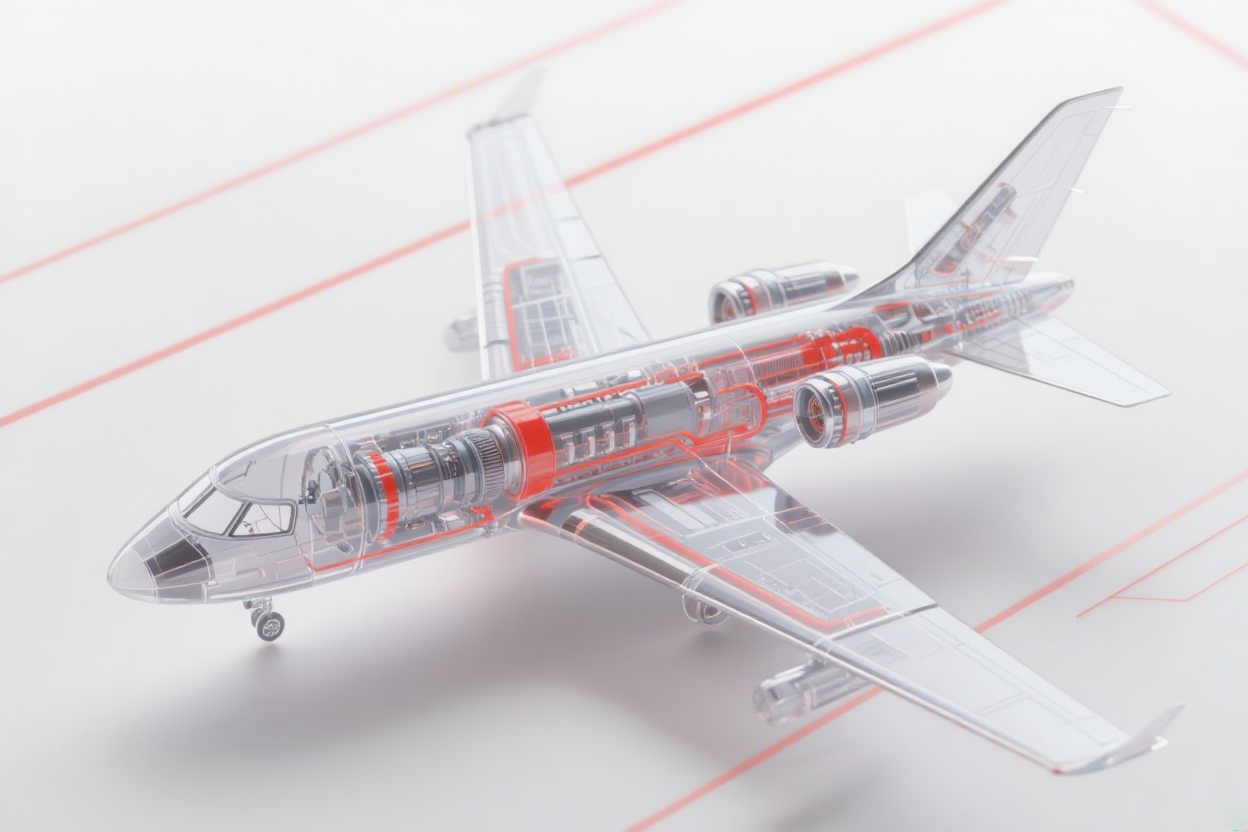
With the aerospace industry’s continuous development, innovation in manufacturing technology has become key to improving performance and reducing costs. Metal 3D printing, as an advanced additive manufacturing method, is profoundly transforming the design and production of aerospace components. It enables efficient manufacturing of complex structures and greatly optimizes material utilization and production cycles, helping aerospace companies create lighter, stronger, and more reliable aircraft parts.
I. Overview of Metal 3D Printing Technology
Metal 3D printing is a manufacturing process that builds parts layer by layer by melting metal powder, with powder bed fusion (MPBF) as a representative technology. It can directly produce high-performance metal components with complex structures without molds, significantly shortening R&D cycles and optimizing material use.
Key advantages:
- Saves R&D and manufacturing time: no need to develop new processes or molds, enabling rapid design-to-product transition.
- Lightweight design: optimized structures significantly reduce part weight, improving fuel efficiency.
- Cost efficiency: reduces material waste and lowers inventory and maintenance costs.
- High performance and integration: manufactures complex structures unattainable by traditional methods, enabling multifunctional integration.
II. Typical Aerospace Applications
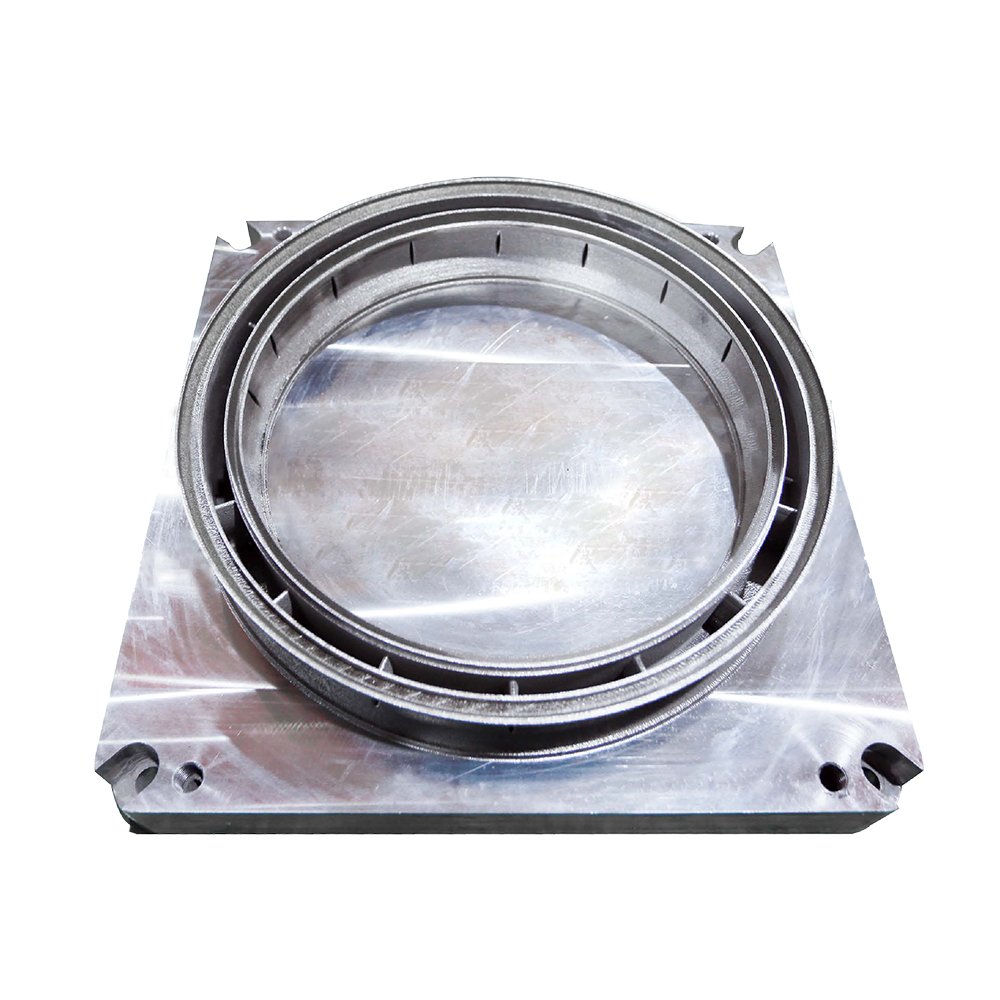
1. Turbine Casings and Engine Components
Challenge:
Traditional manufacturing of turbine casings involves multiple forging, welding, and precision machining steps, which are complex, costly, and hard to lighten.
Solution:
Using multi-laser metal additive manufacturing systems with digital design and structural optimization to integrate multiple parts into one, directly printing high-density, high-precision turbine components.
Advantages:
- Significantly reduces part weight for lightweight design.
- Complex hollow structures improve cooling and overall performance.
- Simplifies manufacturing, shortens production cyclesand lowers costs.
Product Showcase:
 2. Aircraft Casings and Large Structural Parts
Challenge:
Large, thin-walled parts like aircraft casings are difficult to forge in one piece traditionally, with long cycles and potential strength and reliability issues.
Solution:
Metal 3D printing integrates multiple functional components into one, enabling complex one-piece production.
Advantages:
- Significantly reduces weight to meet lightweight requirements.
- Enhances structural strength and reliability, extending service life.
- Simplifies assembly and improves production efficiency.
Product Showcase:
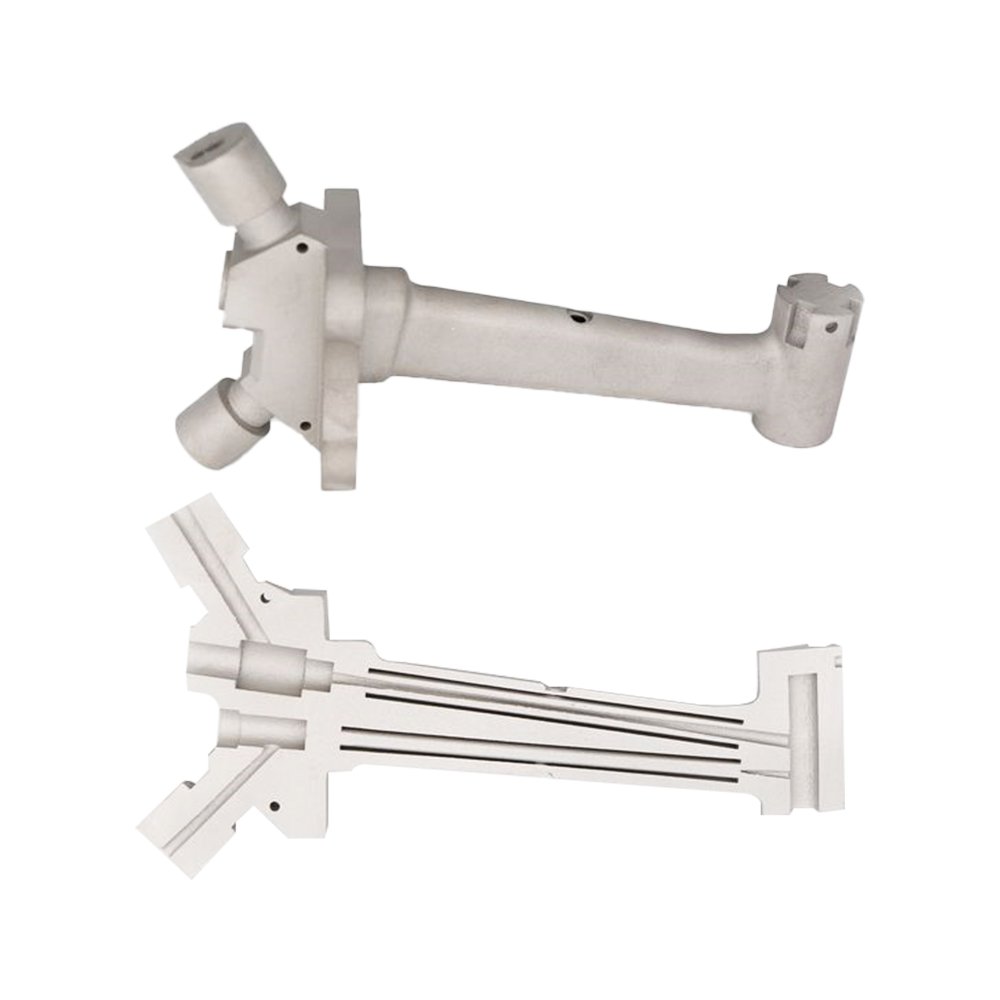
 3. Fuel Nozzles and Fuel Systems
Challenge:
Fuel nozzles are small and complex; traditional manufacturing requires multiple parts to be separately made and assembled, leading to long cycles and high costs. Micro fuel system pipes are difficult to manufacture, affecting spray and combustion efficiency.
Solution:
- Use high-temperature-resistant nickel-based alloy IN718 metal 3D printing for one-piece nozzle manufacturing, reducing parts from 18 to 1.
- Use 316L stainless steel metal 3D printing for micro pipes with uniform 1mm diameter distribution.
Advantages:
- Greatly improves production efficiency with no post-assembly.
- Reduces part weight by 25%, optimizes fuel flow, increases durability fivefold, and extends service life.
- Improves fuel spray and combustion efficiency by nearly 7%.
Product Showcase:
III. Value Metal 3D Printing Brings to Aerospace
1. Shortened R&D and manufacturing cycles
Simplifies manufacturing, eliminating the need for new molds or tooling and enabling rapid product iteration.
2. Improved material utilization and sustainability
Material utilization reaches 60%–90%, significantly reducing waste and supporting green manufacturing goals.
3. Optimized structure, reduced weight, and extended lifespan
Better stress distribution leads to lighter, longer-lasting parts, improving fuel efficiency and operational economy.
4. Component repair and life extension
Supports repair of damaged metal parts with performance matching or exceeding original materials, extending critical component life.
5. Reduced inventory and maintenance costs
Enables on-demand production, reducing spare parts inventory and storage costs, and improving supply chain flexibility.
IV. Market-Specific Solutions
1. Localized Service
Establish local service and technical support networks to ensure fast supply and maintenance of equipment and materials, shortening supply chains and improving responsiveness. Provide material and process solutions adapted to local climate and operating conditions to ensure stable and reliable product performance.
2. Talent Development and Technology Transfer
Collaborate with local universities and research institutes to conduct professional training and technical exchanges, promoting local application of metal 3D printing technology and talent cultivation. Combine remote support with onsite services to ensure efficient equipment operation and continuous improvement.
3. Compliance with High Standards
Strictly follow international and industry standards to ensure safety and performance compliance of 3D printed parts. Establish comprehensive quality traceability and certification systems to enhance market acceptance and customer trust.
V. Technology and Equipment Recommendation
Shawahed offers multi-laser high-precision metal 3D printers such as the M450, M650, and M1250, capable of efficiently manufacturing complex large metal parts. These machines support a variety of metal materials, meeting diverse aerospace needs.
VI. Conclusion
Metal 3D printing technology is driving aerospace manufacturing to new heights. With advanced equipment and professional services, Shawahed helps customers improve efficiency and competitiveness, jointly ushering in a new era of intelligent manufacturing.